
Quotex Trading Strategies for Beginners in Pakistan
Quotex Support & Resistance Fakeout Trap Strategy for Pakistan
False breakouts are the single most common reason Pakistan traders get stopped out right before price reverses in their favor. This guide breaks down a repeatable process for reading support and resistance zones on Quotex, filtering out breakout traps with candle close confirmation, and applying the logic to real Pakistan session behavior. If you want the foundation first, start with quotex-support-resistance-trading-strategy and then come back here for the trap-filtering layer.
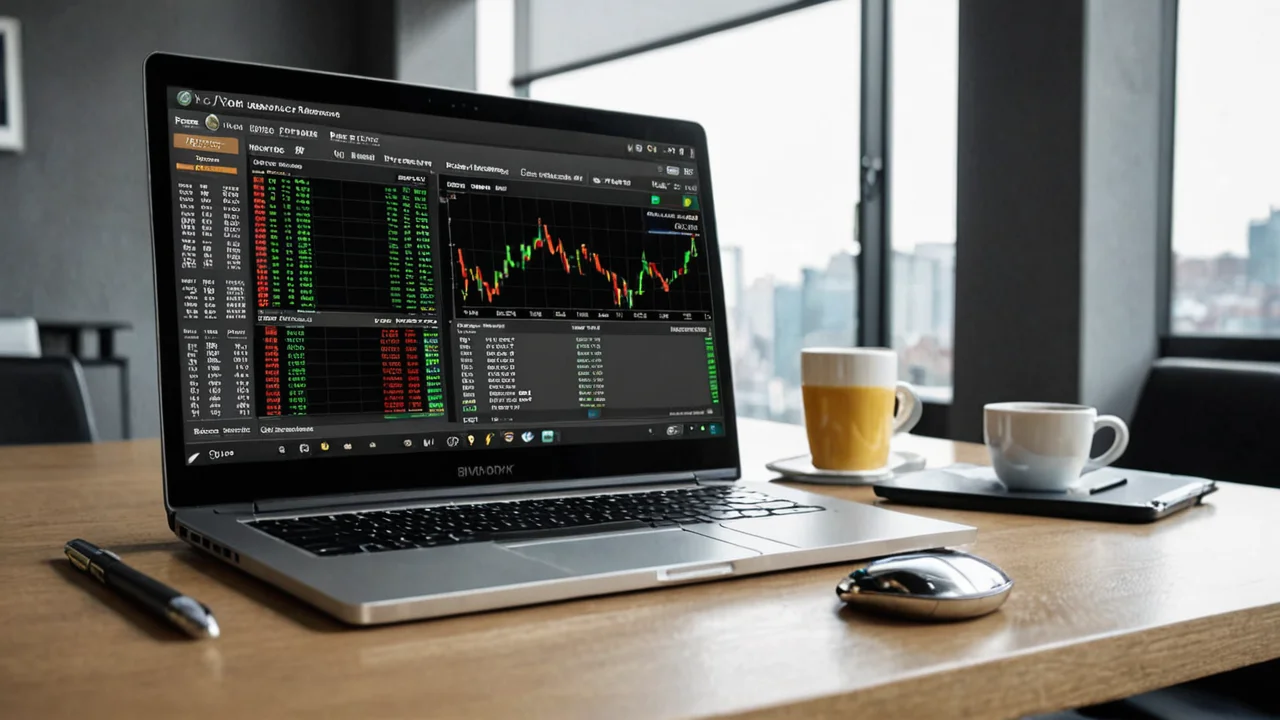

Why Fakeouts Happen at Support and Resistance Zones
Support and resistance are not walls. They are zones where resting orders cluster, and that clustering is exactly what makes them a target for short-term liquidity grabs. When price approaches a level that thousands of traders are watching, a brief push beyond it can trigger stop losses and pending breakout orders, giving larger participants the liquidity they need to reverse the move.
On Quotex, where many Pakistan traders work with short expiry times, this behavior is brutal. A candle wick pokes through resistance, your breakout entry fires, and within two candles price is back below the zone. The breakout was real for a few seconds and fake for everyone who entered late.
- Levels drawn on too few touches attract noise, not structure
- Breakout entries placed on the wick instead of the close get trapped
- Low-liquidity hours produce wicks that mean nothing
Key Takeaway: A level is only as reliable as the number of times price has respected it. Fewer touches means more fakeouts.
Account conditions at a glance
| Minimum deposit | $10 |
|---|---|
| Minimum trade | $1 |
| Maximum payout | up to 98% |
Conditions declared by the broker; checked against public sources · 2026-10-12 · source
Building Levels That Actually Filter Noise
Before you can avoid a fake breakout, you need levels worth defending. A horizontal zone drawn from a single spike is not structure. Look for areas where price reversed at least twice, ideally with visible reaction candles on both sides. The broader the zone, the more honest your read of the market.
Mark your zones as bands, not lines. A resistance band might span the body of several rejection candles rather than one precise price. This matters on Quotex because different timeframes show slightly different highs and lows, and a rigid line will make you call a breakout that never actually cleared the zone.
- Use at least two timeframe confirmations, such as 15-minute and 1-hour
- Draw zones from candle bodies first, then extend to wicks
- Delete any level older than the current market structure
For a deeper walkthrough on drawing and validating zones, the quotex-support-resistance-levels-trading-pakistan page covers the mechanics in more detail. Once your levels are clean, the fakeout filter becomes far easier to apply.
Work out the payout
Profit $0
Returned in total $0
Lost if the trade fails $0
The calculator uses the payout the broker declares; the actual percentage depends on the asset and the moment of entry.
The Candle Close Filter: Your First Line of Defense
The simplest rule that removes most breakout traps is this: wait for the candle to close beyond the zone. A wick through resistance is not a breakout. A close above it is a claim, and even then it needs follow-through. Traders who enter on the touch rather than the close are the ones feeding the trap.
Set your Quotex chart to a fixed timeframe and commit to it. If you trade the 5-minute chart, the 5-minute close is your filter. Switching timeframes mid-trade to justify an entry is how discipline collapses.
The close filter costs you a few pips of entry price and saves you from the majority of false moves. That trade-off is almost always worth it in choppy conditions.
What these terms mean
- Quick trading
- A contract with a fixed expiry chosen before entry; the result is settled at that moment, not when the trader closes it.
- Expiry
- The moment a contract is settled. It is fixed when the trade is opened and cannot be moved afterwards.
- Demo account
- A funded practice account with virtual money. Prices are live, the balance is not real.
- Wick through the zone
- ignore, wait
- Close inside the zone
- ignore, the level held
- Close beyond the zone
- candidate for confirmation
Key Takeaway: No close, no breakout. This single rule filters more fakeouts than any indicator.
Confirmation Rules Before You Commit
A close beyond the zone is necessary but not sufficient. The next layer is confirmation, and it comes in a few practical forms. Volume behavior, the size of the breakout candle relative to recent candles, and whether the next candle holds the new ground all matter.
A strong breakout candle that closes near its extreme, followed by a candle that does not immediately reverse, is a healthier signal than a thin candle that barely clears the zone. On Quotex, where you often choose short expiries, this second-candle hold is your friend. If the candle after the breakout closes back inside the zone, treat the move as failed and stand aside.
- Breakout candle closes in the top third of its range
- Following candle does not close back inside the zone
- The move aligns with the broader trend on a higher timeframe
Candlestick reading sharpens this judgment considerably. The quotex-candlestick-patterns-beginners-guide explains rejection and engulfing shapes that often mark the exact candle where a fakeout dies.
What these terms mean
- Risk per trade
- The share of the balance committed to a single contract.
- Technical indicator
- A calculation drawn over price history; it describes what has happened, not what will.
- Position sizing
- The rule that converts a balance into the amount committed to one contract.
Reading Pakistan Session Behavior Around Key Levels
Pakistan traders work in a timezone that overlaps with some of the most active global sessions, and that overlap changes how levels behave. The hours when European and later US activity picks up tend to produce cleaner breaks, while quieter stretches produce wicks that look like breakouts but carry no follow-through.
A practical habit is to note when your levels get tested. A resistance zone hit during a low-activity window and pierced by a wick deserves skepticism. The same zone tested during a busier window, with a decisive close, deserves attention. This is not about predicting the market, it is about matching your confidence to the conditions in front of you.
- Treat quiet-hour wicks as noise until a close confirms
- Expect more genuine follow-through during active overlap hours
- Avoid forcing breakout trades during flat, low-range stretches
Key Takeaway: The same level behaves differently depending on when it is tested. Time of day is part of your confirmation.
What these terms mean
- Underlying asset
- The instrument a contract is written on — a currency pair, an index, a commodity or a crypto asset.
- Spread
- The gap between buying and selling price quoted at the same moment.
- Trading session
- The hours an asset is quoted; outside them contracts on it cannot be opened.
The Breakout Trap Strategy in Practice
Here is where the trap becomes an opportunity. Instead of only avoiding fakeouts, you can trade the failure itself. When price breaks a zone, fails to hold, and closes back inside, the trapped breakout traders are now on the wrong side. Their exits can fuel a move in the opposite direction.
The setup works like this. Price pushes beyond resistance, the candle closes back below the zone, and you look for a short entry with the zone as your reference. The logic is the same in reverse at support. This is the core of the quotex breakout trap strategy, and it rewards patience over prediction.
- Wait for the failed close back inside the zone
- Enter in the direction of the trap, not the original breakout
- Keep your reference tight, the zone itself defines the risk
This approach pairs naturally with the level work you already did. You are not guessing, you are reacting to a confirmed failure. For traders building a full playbook, Open quotex Account and practice these setups on a demo before committing real capital.
What these terms mean
- Trading journal
- A record of entries, exits and reasons, kept to review decisions rather than outcomes.
- Market order
- An instruction to open a position at the price available now, not at a chosen level.
- Slippage
- The gap between the price requested and the price received when the market moves during execution.
Common Mistakes That Turn a Good Plan Into Losses
Most fakeout losses come from a handful of repeatable errors. Entering before the close is the biggest one. Chasing a breakout because it "looks strong" without waiting for the second candle is another. And drawing levels so loosely that everything counts as a breakout is a quiet killer.
Another trap is revenge trading after a fakeout stops you out. The market did not do anything to you, the setup simply failed its filter. Step back, re-mark your zones, and wait for the next clean signal. Discipline around the close filter matters more than any single trade.
- Entering on the wick instead of the close
- Ignoring the higher-timeframe trend
- Redrawing levels after a loss to justify a new entry
- Trading every zone touch instead of waiting for confirmation
Key Takeaway: The strategy fails when the filter is skipped. The filter is the strategy.
Frequently Asked Questions
-
What is a fakeout at support or resistance on Quotex?
A fakeout is when price briefly moves beyond a support or resistance zone but fails to hold, then reverses back. The wick crosses the level, but the candle close does not confirm the break, trapping traders who entered early.
-
How do I avoid fake breakouts on Quotex?
The most reliable filter is waiting for a candle to close beyond the zone, then confirming with the following candle. If price closes back inside the zone, treat the breakout as failed and stay out.
-
Which timeframe works best for the fakeout filter in Pakistan?
It depends on your trading style, but many Pakistan traders use the 5-minute or 15-minute chart for entries and a higher timeframe like 1-hour to confirm the trend. The key is committing to one timeframe for your close filter.
-
Can I trade the fakeout itself instead of avoiding it?
Yes. When a breakout fails and price closes back inside the zone, trapped traders often fuel a move in the opposite direction. This is the breakout trap strategy, and it uses the failed break as the entry signal.
-
Do quiet trading hours in Pakistan cause more fakeouts?
Low-activity windows tend to produce more wicks without follow-through, which look like breakouts but fail. Treating quiet-hour breaks with extra skepticism, and waiting for a confirmed close, reduces false signals.
Short answers
- What is a fakeout at support or resistance on Quotex?
- A fakeout is when price briefly moves beyond a support or resistance zone but fails to hold, then reverses…
- How do I avoid fake breakouts on Quotex?
- The most reliable filter is waiting for a candle to close beyond the zone, then confirming with the…
- Which timeframe works best for the fakeout filter in Pakistan?
- It depends on your trading style, but many Pakistan traders use the 5-minute or 15-minute chart for…
- Can I trade the fakeout itself instead of avoiding it?
- Yes
- Do quiet trading hours in Pakistan cause more fakeouts?
- Low-activity windows tend to produce more wicks without follow-through, which look like breakouts but fail